
Here is the fully optimized English version of the article tailored to Yoast SEO standards. It maintains an authoritative, C-level executive tone while ensuring clear structure, keyphrase distribution, and rich formatting.
The primary focus keyphrase selected is “Cloud FinOps WGS” (supported by secondary keywords like Cloud FinOps, FinOps Framework, Walden Global Services, WGS, Cloud Cost Optimization, and Apptio Integration).
Mastering Cloud Financial Management: Beyond Cost Cutting
In the modern digital landscape, the cloud is no longer just a utility—it is the primary engine of enterprise innovation. However, as organizations migrate to multi-cloud environments to gain operational speed, they often encounter a significant strategic roadblock: spiraling, unpredictable cloud expenditures.
The promise of cloud agility is frequently dampened by complex billing structures and a lack of financial accountability.
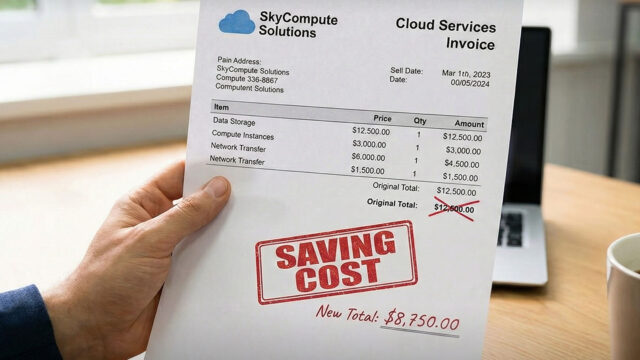
This is where Cloud FinOps WGS transforms operations. Far more than a simple cost-reduction tactic, Cloud FinOps is an operational framework and cultural practice that aligns engineering, finance, and business units to maximize return on cloud investments.
Unpredictable Cloud Costs ➔ Inform (Visibility) ➔ Optimize (Action) ➔ Operate (Governance) ➔ Maximize Business Value
What is Cloud FinOps?
FinOps (Financial Operations) brings financial accountability to the variable spend model of cloud computing. It is neither a static software tool nor a one-time cost-cutting exercise. Instead, it represents a set of evolving best practices enabling engineering, finance, and operations teams to collaborate continuously.
The ultimate goal of the Cloud FinOps WGS approach is not simply to spend less, but to spend better—balancing velocity, cost, and system quality to drive measurable business value.
The Three Foundational Pillars of FinOps
Successful FinOps implementation rests on three core concepts. When these pillars are operationalized, cloud spend transforms from an unpredictable liability into a strategic advantage:
| Pillar | Operational Challenge | The FinOps Solution | Business Result |
| 1. Total Visibility | Opaque multi-cloud invoices & shadow IT | Real-time usage tracking & anomaly detection | Proactive cost prevention before budget overruns |
| 2. Cross-Functional Collaboration | Friction between fast engineering & strict finance | Unified financial language & shared objectives | High-velocity innovation without budget compromise |
| 3. Accountable Ownership | Unclear ownership of cloud utilization | Direct cost allocation to specific teams & projects | Self-governing engineering culture & proactive management |
The Business Impact of Ignoring Cloud Governance
As cloud adoption matures, pricing models and resource allocation become increasingly complex. Industry data highlights the operational risks of operating without a formal FinOps framework:
-
80% of enterprises acknowledge that poor cloud financial management negatively impacts overall business performance.
-
85% of organizations report consistently overspending their allocated cloud budgets.
-
57% state that managing cloud costs is a daily source of operational friction and anxiety.
Without structured cloud financial management, organizations risk encountering severe “bill shock,” idle resource accumulation, and a total disconnect between cloud spend and primary business objectives.
[ Engineering Deployments ] ➔ [ Real-Time Spend Tracking ] ➔ [ Automated Governance ] ➔ [ Maximized ROI ]
Strategic Benefits of the FinOps Lifecycle
Implementing the Cloud FinOps WGS framework delivers organizational ROI that goes far beyond baseline cost savings (which typically range between 10% and 40%):
-
Data-Driven Decision Making: Transition from speculative forecasting to predictive analytics, enabling scenario modeling for future infrastructure changes.
-
Accelerated Time-to-Value: Streamline procurement and reinvest reclaimed capital directly into high-impact digital initiatives.
-
Negotiation Leverage: Utilize granular usage data to secure optimized volume discounts during negotiations with major cloud providers (AWS, Azure, Google Cloud).
-
Sustainable Digital Operations: Decommission idle instances and optimize workload efficiency to lower your organization’s digital carbon footprint.
Partnering with WGS for Cloud FinOps Execution
While FinOps principles are straightforward, executing them within a complex enterprise environment requires technical expertise and cultural alignment. Getting finance and engineering teams onto the same page involves both behavioral change and robust tooling.
The WGS Value Proposition: As an enterprise technology integrator, WGS bridges the gap between cloud engineering and financial management. We help organizations deploy robust FinOps frameworks, integrate leading platforms like Apptio, and translate complex usage telemetry into actionable business intelligence.
By deploying Cloud FinOps WGS, organizations ensure their cloud environment remains completely transparent, accountable, and continuously optimized for sustainable growth.