
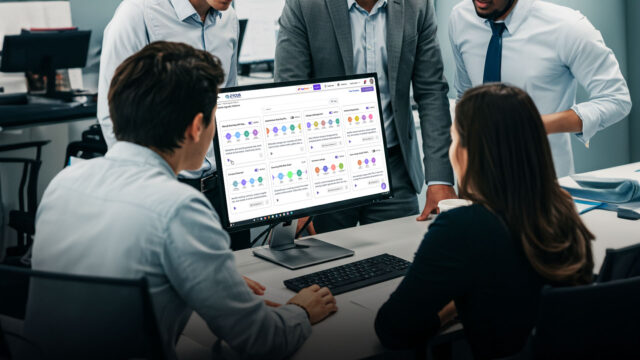
Procurement Intake Management: Navigating Procurement Intake Management BoltOn vs BuiltIn WGS Partner Indonesia
Optimizing intake management serves as the cornerstone of enterprise procurement efficiency. The intake process acts as the single front door for collecting purchase requests, verifying policy compliance, and routing approvals across cross-functional business units. Choosing between bolt-on third-party tools and natively built-in architectures determines an organization’s long-term digital scalability.
Deploying a Procurement Intake Management Bolt-On vs Built-In WGS Partner Indonesia strategic model empowers enterprise leaders to weigh rapid point-solution deployment against unified, AI-driven Source-to-Pay (S2P) ecosystems. Headquartered in West Java, Walden Global Services (WGS) acts as an enterprise software integrator and official Zycus partner in Indonesia—guiding organizations through architectural evaluations, custom integrations, and AI implementation.
Purchase Request Entry ➔ Policy & Compliance Audit ➔ Approval Routing ➔ Purchase Order & S2P Execution
1. Primary Operational Challenges in Procurement Intake
Legacy request handling and disconnected software modules frequently create severe bottlenecks across enterprise procurement lifecycles:
[ Disjointed Intake Channels ] ➔ [ Data Silos & API Friction ] ➔ [ High Compliance Risks ] ➔ [ Inflated Total Cost of Ownership ]
-
Fragmented System Communication: Relying on disconnected forms, spreadsheets, and standalone request apps fragments data flows between end-users and core ERP platforms.
-
Data Silos & Integration Debt: Bolt-on applications require custom API connectors and middleware, driving up maintenance overhead and creating data sync errors.
-
Inconsistent User Experience: Switching between varying user interfaces degrades employee adoption and increases training overhead across business units.
-
Compliance & Audit Blind Spots: Without automated policy enforcement at the entry point, non-compliant purchase requests bypass standard governance controls.
Capability Overview: Bolt-On vs. Built-In Intake Architectures
| Operational Dimension | Third-Party Bolt-On Intake Solutions | Built-In Native Procurement Architecture (e.g., Zycus) |
| System Architecture | Third-party module requiring external APIs & middleware | Native integration within unified Source-to-Pay (S2P) core |
| Data Management | High risk of data silos and synchronizing delays | Single data repository with real-time end-to-end visibility |
| User Experience (UX) | Inconsistent UI/UX across disconnected applications | Unified platform experience accelerating user adoption |
| Total Cost of Ownership | Higher long-term TCO due to recurring API & vendor maintenance | Lower TCO through reduced IT dependencies & vendor consolidation |
| AI Capabilities | Dependent on external third-party tools & connectors | Embedded AI for automated categorization & predictive analytics |
| Implementation Partner | General IT vendors requiring complex custom bridges | Dedicated software integration & local support via WGS Partner Indonesia |
2. Key Differences: Bolt-On vs. Built-In AI Solutions
Evaluating both approaches requires understanding how architectural choices impact operational agility, cost structures, and technical governance:
User Purchase Intent ➔ Native Intake Engine ➔ Automated Rule Validation ➔ Immediate S2P Orchestration
Understanding Bolt-On Solutions
-
Flexibility & Niche Functionality: Bolt-on applications allow organizations to plug in specialized, best-of-breed features without replacing core legacy systems.
-
Rapid Initial Deployment: Standalone modules can be deployed quickly for specific departmental needs.
-
Technical Challenges: Reliance on custom API bridges leads to elevated IT maintenance costs, security vulnerabilities, and fragmented user experiences.
Understanding Built-In Solutions
-
Unified Data Flow & Real-Time Visibility: Built-in intake solutions (such as Zycus Merlin Intake) operate natively within the primary procurement platform, ensuring seamless data transitions from request to payment.
-
Enhanced Security & Automated Compliance: Policy validation, approval hierarchies, and audit logging are enforced automatically at the moment of request entry.
-
Embedded AI Orchestration: Natively leverages machine learning and Natural Language Processing (NLP) for intelligent request categorization, automated routing, and spend analytics.
Real-World Impact: AI-Driven Procurement Transformation
Integrating built-in, AI-powered intake solutions yields immediate improvements across cycle times and governance standards:
Intake Data Entry ➔ AI Request Validation ➔ Dynamic Approval Routing ➔ Accelerated Procurement Cycle
Quantifiable Operational Results:
-
Up to 50% Faster Cycle Times by eliminating manual routing delays and request re-keying.
-
Complete Spend Visibility through centralized data aggregation across enterprise systems.
-
Lower IT Overhead Costs by eliminating complex third-party API middleware and multi-vendor licensing.
-
Automated Policy Compliance via AI-driven validation checks prior to purchase order generation.
Strategic Procurement Integration with Walden Global Services (WGS)
Deploying enterprise-grade procurement technology requires deep IT consulting expertise, middleware engineering, and local implementation support.
Procurement Tech Audit ➔ Architecture Blueprint & Selection ➔ System Integration & Zycus Deployment ➔ Managed Support
The WGS System Integration Advantage: Operating from West Java and serving enterprise clients across Indonesia, Walden Global Services (WGS) serves as the primary implementation partner for Procurement Intake Management Bolt-On vs Built-In WGS Partner Indonesia initiatives. As an official Zycus partner, WGS assists enterprise clients in modernizing procurement ecosystems—integrating AI-driven intake workflows, optimizing Source-to-Pay (S2P) architectures, and driving sustainable digital transformation.
Partnering with WGS enables procurement directors, Chief Financial Officers (CFOs), and IT leaders to replace fragmented request handling with unified, future-ready procurement orchestration.