
Beyond Perimeter Defenses: Securing Modern Enterprises Across Cloud and Hybrid Ecosystems
As digital transformation accelerates across Asia and global markets, enterprise IT architectures are undergoing a fundamental shift. Integrating legacy infrastructure with cloud-native applications and microservices dramatically expands an organization’s attack surface. Modern enterprises face sophisticated, automated threats—including volumetric DDoS attacks, credential stuffing bots, API abuse, and digital skimming—that cost businesses millions annually in direct losses and regulatory penalties.
Traditional perimeter defenses and isolated firewall appliances are no longer sufficient to secure distributed digital touchpoints.
Deploying Imperva WGS Enterprise Security provides enterprise organizations with an integrated, application-first protection framework—combining Web Application Firewall (WAF) intelligence, advanced bot management, zero-trust API security, and regional compliance enforcement to safeguard critical digital assets without compromising operational performance.
Expanded Attack Surface (APIs / Legacy / Cloud) ➔ Imperva Security Engine ➔ Secure 24/7 Enterprise Digital Operations
1. Primary Security Bottlenecks in the Modern IT Ecosystem
Securing enterprise applications without an integrated Web Application and API Protection (WAAP) platform exposes organizations to several critical operational risks:
[ Unsecured API Endpoints ] ➔ [ Sophisticated Bot Attacks ] ➔ [ Regulatory Non-Compliance ] ➔ [ Operational Downtime ]
-
Legacy and Cloud Integration Friction: Outdated, legacy systems often lack native encryption protocols and virtual patching capabilities required to resist modern exploit vectors.
-
Unmonitored API and Microservice Expansion: Rapid software deployment frequently outpaces security documentation, leaving uncatalogued “shadow APIs” vulnerable to data exfiltration.
-
Automated and Multi-Layer Attacks: Threat actors deploy automated scraping bots, account takeover (ATO) scripts, and SQL injection tactics that bypass traditional signature-based rules.
-
Escalating Regulatory Pressures: Global and regional mandates—such as PCI DSS 4.0 client-side script requirements and Indonesia’s Personal Data Protection (UU PDP) Law—demand stringent, real-time data governance.
Capability Comparison: Traditional Perimeter Security vs. Imperva WGS Enterprise Security
| Security Dimension | Traditional Perimeter Firewalls | Imperva WGS Enterprise Security |
| Protection Scope | Network layer filtering (L3/L4) | Full-stack Application, API, & Data Protection (L7) |
| Bot Mitigation | Static IP rate-limiting | Machine learning intent analysis & behavioral telemetry |
| API Inspection | Limited basic endpoint monitoring | Automated API discovery, schema validation, & data mapping |
| Client-Side Defense | Minimal browser script monitoring | PCI DSS 4.0 compliant Magecart & digital skimming prevention |
| Delivery Architecture | Hardware bottleneck appliances | Global CDN & scrubbing center network with 3-sec SLA |
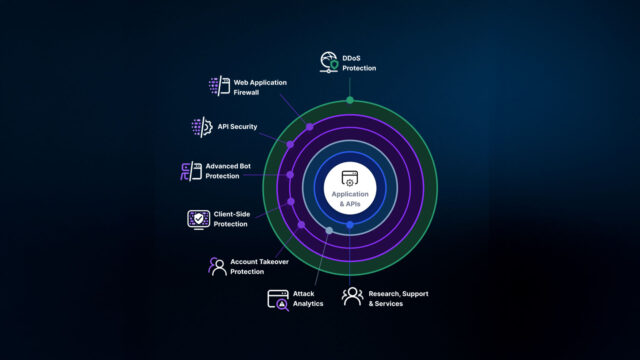
2. Core Defense Layers of Imperva Application Security
Imperva provides a unified security stack engineered to neutralize cyber threats across cloud, on-premises, and hybrid environments:
Web Application Firewall (WAF) ➔ Advanced Bot Defense ➔ API Security & Schema Protection ➔ DDoS Mitigation & Secure CDN
-
Enterprise Web Application Firewall (WAF): Mitigates OWASP Top 10 vulnerabilities, zero-day exploits, and malicious request spikes with near-zero false positive rates.
-
Advanced Bot Protection: Analyzes user behavior and browser telemetry to distinguish legitimate traffic from malicious automated bots, preventing credential stuffing and inventory hoarding.
-
Zero-Trust API Security: Automatically discovers shadow APIs, enforces strict schema validation, and inspects data payloads to block unauthorized access and exfiltration.
-
Always-On DDoS Mitigation: Absorbs multi-gigabit volumetric and application-layer DDoS floods within seconds through global scrubbing networks without causing latency.
-
Client-Side Script Protection: Guards browser environments against formjacking, Magecart scripts, and unauthorized third-party code execution to maintain PCI DSS 4.0 compliance.
3. Real-World Industry Deployment Scenarios
Deploying automated application security generates immediate operational resilience across key industry sectors:
-
Banking & Financial Services: Prevents automated account takeover (ATO) attempts, secures open banking APIs, and ensures compliance with global financial security standards.
-
E-Commerce & Digital Retail: Blocks inventory-scraping bots during peak promotional sales events while maintaining sub-second site performance via secure Content Delivery Networks (CDN).
-
Healthcare & HealthTech: Protects sensitive electronic health records (EHR) transmitted through third-party mobile API integrations.
-
Government & Public Sector: Defends critical web portals from state-sponsored defacement and volumetric application-layer DDoS attacks.
Strategic Implementation with Walden Global Services (WGS)
Deploying enterprise-grade security tools across complex Asian market infrastructures requires regional technical expertise, localized compliance mapping, and continuous governance.
Security Audit & Threat Mapping ➔ Imperva WGS Architecture Design ➔ Seamless Deployment & Policy Tuning ➔ Continuous 24/7 Monitoring
The WGS Security Advantage: Operating across Indonesia and Southeast Asia, Walden Global Services (WGS) acts as an official implementation partner for Imperva WGS Enterprise Security. WGS bridges the gap between global threat intelligence and local regulatory requirements—such as Singapore’s PDPA and Indonesia’s Kominfo / UU PDP frameworks. By combining certified penetration testing, Managed SOC advisory, and customized Imperva architecture deployment, WGS empowers enterprises to achieve zero-trust application resilience.
By partnering with WGS, enterprise business leaders secure their digital ecosystems against modern threat actors while maintaining operational agility.