
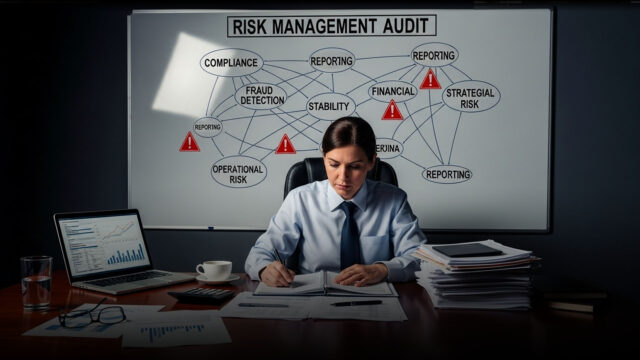
Overcoming “Excel Hell”: Modernizing Internal Audit for the Digital Age
The modern internal audit department is at a breaking point. Organizations no longer operate within simple physical boundaries—corporate data is distributed across hybrid clouds, ERPs, and dozens of specialized SaaS applications. Simultaneously, regulatory pressure from frameworks like SOX, GDPR, and local mandates continues to intensify.
For decades, audit teams have relied on a patchwork of manual spreadsheets, shared drives, and disconnected Word documents. This reliance on disconnected spreadsheets creates dangerous data silos, obstructs management visibility, and makes real-time risk assurance impossible.
To survive and deliver real business value, internal audit must evolve from a historical scorekeeper into a proactive, data-driven strategic advisor using TeamMate+ Audit Risk Management WGS.
Disconnected Spreadsheets & Manual Docs ➔ Integrated TeamMate+ GRC Platform ➔ Real-Time Strategic Assurance
The Digital Age Dilemma: A Perfect Storm for Internal Audit
Enterprise audit teams currently face three interconnected operational bottlenecks driven by technological complexity:
[ Data Silos & Fragmented Evidence ] ➔ [ Error-Prone Spreadsheet Manual Work ] ➔ [ Unyielding Regulatory Scrutiny ]
1. Data Silos and Zero Visibility
Audit evidence, financial logs, and compliance records are scattered across ERPs, CRMs, and HRIS platforms. Auditors waste most of their time requesting, tracking, and consolidating data manually rather than performing high-value analysis.
2. The Tyranny of Manual Spreadsheets
Relying on spreadsheets across the audit lifecycle creates severe operational vulnerabilities:
-
Human Error: A single broken formula or copy-paste error can compromise an entire audit workpaper.
-
Version Control Chaos: Managing multiple file versions leads to rework, missed findings, and flawed reporting.
-
Administrative Inefficiency: Exhaustive manual email follow-ups and report formatting drain valuable auditing resources.
3. Escalating Regulatory Scrutiny
Regulators no longer accept superficial “check-the-box” compliance. They demand verifiable proof that an organization systematically identifies, assesses, and mitigates enterprise risks across all operational units.
The Solution: Moving to Integrated, Proactive Risk Assurance
To address these challenges, enterprise audit functions must shift from a reactive paradigm (identifying past failures) to a proactive, predictive posture (identifying risks before they materialize).
This transformation requires unifying the three foundational pillars of GRC into a central command center:
[ Risk Management (Risk Universe) ] ➔ [ Compliance Management (Control Frameworks) ] ➔ [ Internal Audit (Testing & Assurance) ]
Platform Comparison: Legacy Spreadsheet Audit vs. TeamMate+
| Functional Dimension | Legacy Manual Spreadsheets | TeamMate+ Audit Risk Management WGS |
| Data Repository | Disconnected local files & shared drives | Centralized, secure single source of truth |
| Risk Assessment | Static, annual risk review exercises | Dynamic, continuous risk universe updating in real time |
| Control Testing | Manual sample extraction & manual logs | Automated workflows with direct evidence attachment |
| Reporting Speed | Weeks spent compiling static quarterly decks | Configurable, real-time executive dashboards |
What TeamMate+ Delivers in Practice
As Wolters Kluwer’s flagship digital audit ecosystem, TeamMate+ provides the comprehensive software infrastructure needed to automate the complete audit lifecycle:
-
Centralized Risk Universe: Links risks directly to controls, audit projects, and findings. When a risk score changes, the system instantly highlights affected audit plans.
-
Automated Workflows & Agile Auditing: Streamlines workpaper creation, task assignment, and follow-up tracking while providing the flexibility to pivot audit plans toward emerging risks.
-
Analytics Integration: Integrates with data analytics engines, enabling auditors to shift from periodic sampling to 100% population testing on high-risk transactions.
Why Your Implementation Partner (WGS) is Critical
Deploying a world-class platform like TeamMate+ requires more than purchasing software licenses—it requires expert systems integration, process design, and user enablement.
The WGS Advantage: As a leading technology integration partner, Walden Global Services (WGS) provides the critical bridge between TeamMate+ software and your enterprise operations. WGS delivers local regulatory alignment (including OJK guidelines and UU PDP compliance in Indonesia), custom technical integrations with existing ERP and GRC ecosystems, and structured change management to ensure total organizational adoption.
By combining the global standard of TeamMate+ Audit Risk Management WGS with local enterprise integration, organizations eliminate spreadsheet vulnerabilities and turn internal audit into a strategic engine for continuous growth.